How to Use a Rebar Tier for Effective Construction Techniques?
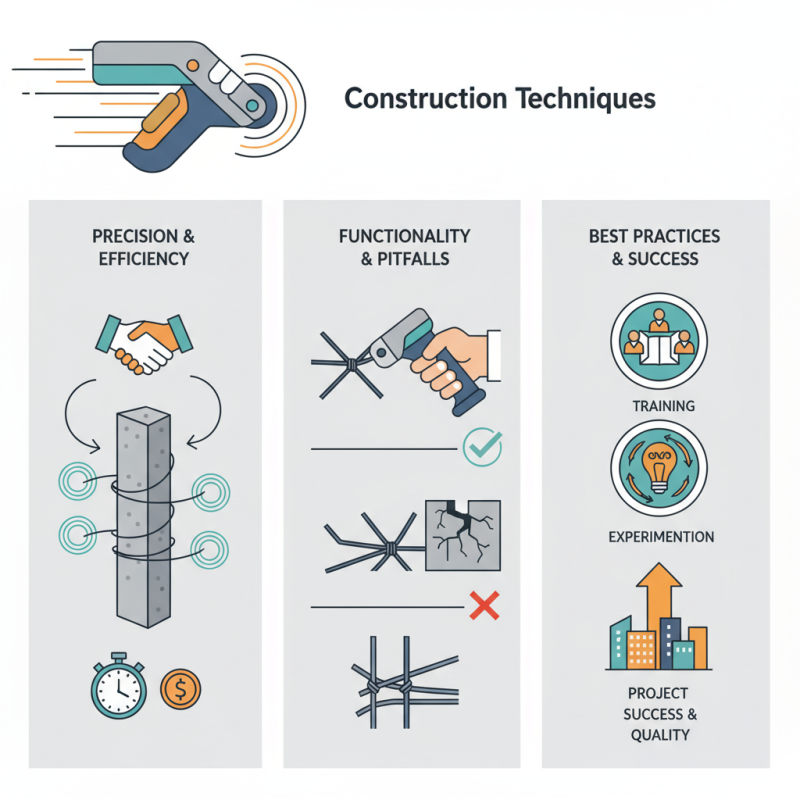
In the world of construction, precision and efficiency are vital. A tool that has gained attention for enhancing these aspects is the Rebar Tier. This innovative device simplifies the process of tying rebars together, which is essential in reinforcing concrete structures. The Rebar Tier saves time and labor, making it a popular choice among contractors.
Using a Rebar Tier effectively requires understanding its functionality. It is designed to work quickly, but operators must ensure proper technique to avoid errors. Recognizing the common pitfalls is essential for optimal use. For instance, uneven tension can lead to weak ties, compromising structural integrity.
Construction professionals need to explore best practices for employing the Rebar Tier. Training sessions can provide valuable insights into maximizing its effectiveness. Experimentation with different tying techniques can also lead to improved outcomes. Ultimately, mastering the Rebar Tier may significantly impact project success and overall quality in construction.
Understanding the Basics of Rebar Tiers in Construction
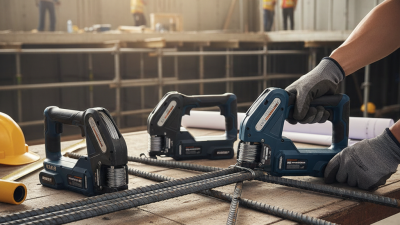
Rebar tiers are essential tools in construction. They streamline the process of tying rebar together, which is crucial for structural integrity. Understanding their basic function is the first step for any construction professional. These tools save time and labor, enhancing efficiency on job sites.
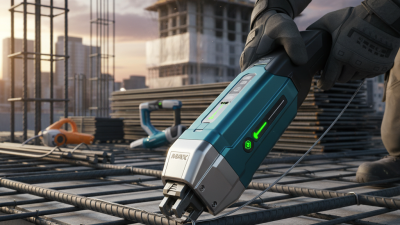
A rebar tier typically features a mechanism that automates tying. This reduces the physical strain on workers. Nonetheless, learning to use a rebar tier can take practice. Improper handling can lead to inconsistent ties, undermining the structure's strength. It’s important to focus on technique, even with automated tools.
Maintenance is another crucial aspect. Regular checks can ensure the tier functions optimally. Wear and tear can impact performance. If screws are loose or parts are damaged, it’s vital to address these issues promptly. Moreover, using a tier incorrectly can lead to unexpected delays and errors in your work. Understanding these details can make a significant difference in construction projects.
Types of Rebar Tiers and Their Applications
When it comes to rebar tiers, understanding the different types and their applications is crucial for effective construction.
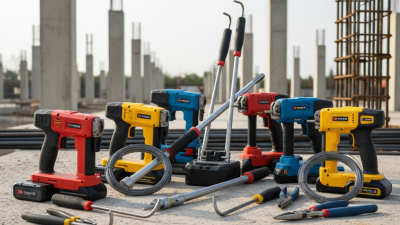
Manual rebar tiers are typically lightweight and easy to use. They require minimal training and provide flexibility in tight spaces.
However, they can be slower compared to powered options.
Powered rebar tiers offer speed and efficiency. They can fasten rebar quickly, making them ideal for large projects.
Yet, they tend to be heavier and may require more maintenance. Choosing the right type depends on the project scope and budget.
Each type has its pros and cons. Manual tiers may lead to operator fatigue over long periods, while powered tiers can suffer from battery life issues.
Consider your construction environment. Tight spots may favor lightweight manual rebar tiers, while expansive areas benefit from powered tools. Each tool has a learning curve that can impact overall productivity.
Step-by-Step Guide to Using a Rebar Tier Efficiently
Using a rebar tier can significantly enhance your construction process. It simplifies the task of tying rebar efficiently, resulting in faster and more reliable setups. To start, gather all necessary materials, including rebar, the tier tool, and safety gear. Familiarize yourself with the rebar layout before proceeding. This critical preparation phase can save you time later.
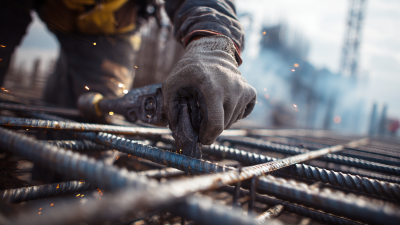
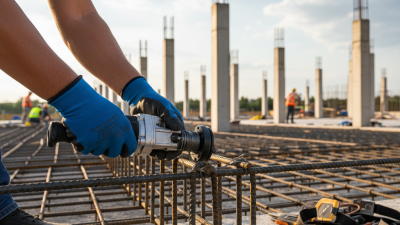
Begin by positioning the rebar as required. Hold the tier in one hand and the rebar with the other. It's essential to ensure a steady grip. As you engage the tool, note how it wraps the wire around the rebar. Aim for consistent tension. Mistakes can happen. Sometimes, the wire may not tie appropriately, leading to adjustments. Don’t rush this step; quality is key.
As you continue, monitor the speed of your progress. Over time, you may find areas needing improvement. Reflecting on your technique can reveal patterns or habits that hinder efficiency. Maintaining a balanced rhythm can enhance your overall performance. After several practices, your comfort and skill with the tool will grow, leading to more effective construction techniques. Every job is an opportunity to learn and adapt.
Rebar Tying Efficiency Overview
Maintenance and Care Tips for Rebar Tiers
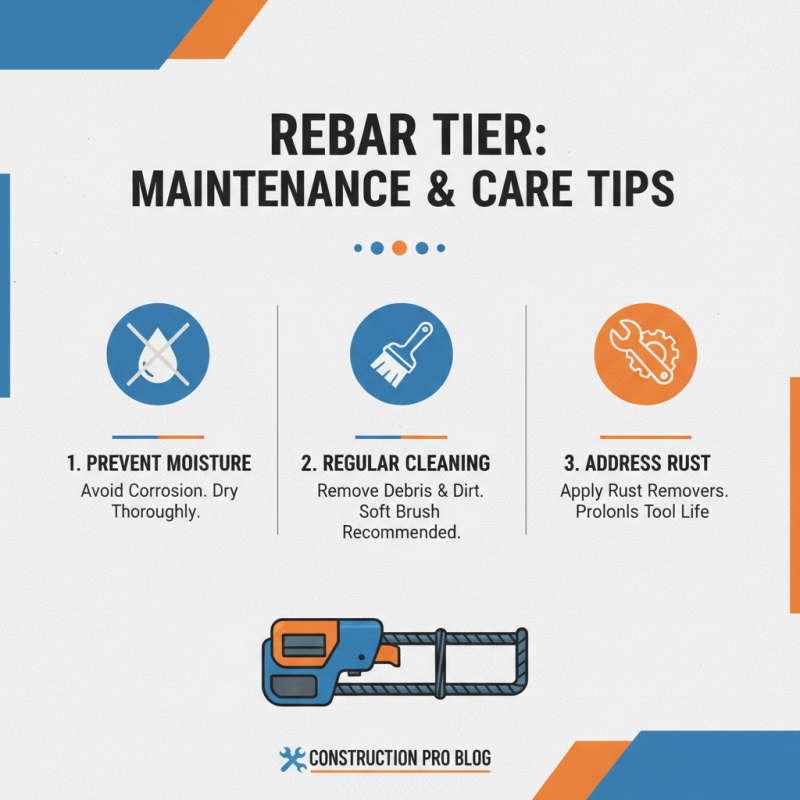
Maintaining a rebar tier is essential for ensuring long-lasting performance and efficiency in construction. Regular cleaning is crucial. After each use, remove any debris or rust. Moisture can cause corrosion, which affects the tier’s functionality. Use a soft brush to eliminate any dirt build-up. If you notice any signs of rust, use appropriate rust removers. A clean tool extends its life significantly.
Inspect your rebar tier frequently. Look for any wear and tear in the components. Check for loose parts or damages. Tighten any screws or bolts as needed. These small adjustments can prevent major issues in the long run. Remember, ignoring these signs might lead to reduced efficiency or even malfunctions during complex projects.
Lubrication is necessary for smooth operation. Use the right type of lubricant on moving parts. Over-lubrication can attract dirt, leading to more maintenance needs. Rotate your use of different tools to avoid excessive wear on one specific tier. Reflect on your maintenance routine regularly. Adapting your practices ensures you get the best performance from your rebar tier over time.
Common Mistakes to Avoid When Using a Rebar Tier
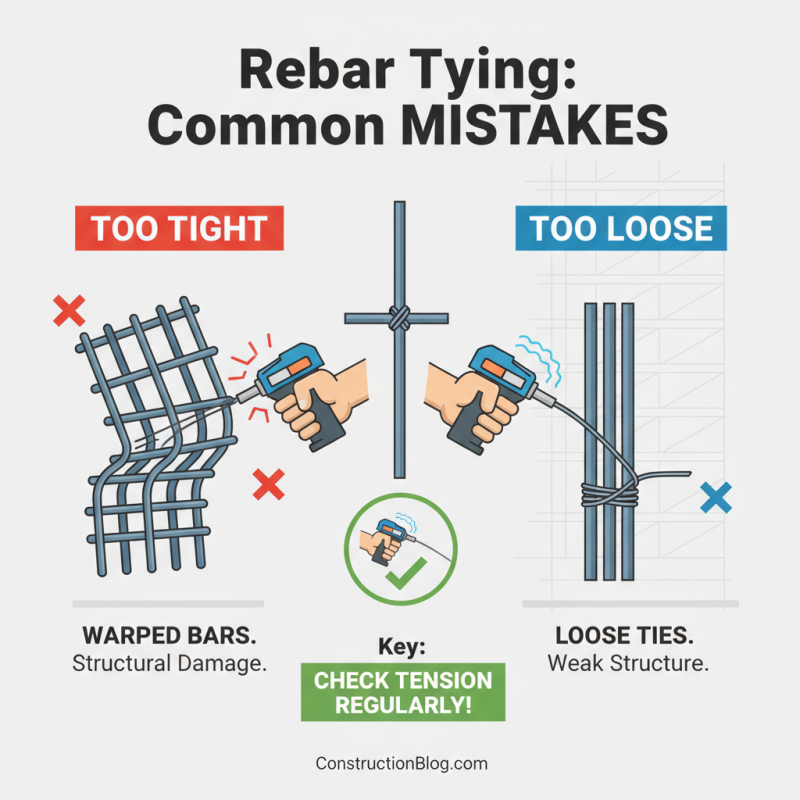
Using a rebar tier can significantly streamline your construction projects, but it's easy to make mistakes. One common mistake is not adjusting the tension correctly. If the tension is too tight, it can warp the bars. Too loose, and the tie can loosen, compromising the structure's integrity. Regularly check the tension while working to ensure you’re on the right track.
Another mistake is neglecting safety precautions. Missing safety gear, like gloves or glasses, can lead to injuries. Always ensure you have the necessary equipment before starting your work. Additionally, using the rebar tier incorrectly can lead to uneven tying. This may not be evident until it's too late, resulting in added project costs and delays. Taking a few moments to review your technique before starting can save time and money later.

 E-mail:
voyage@voyagehndr.com
E-mail:
voyage@voyagehndr.com