10 Tips for Choosing the Best Stand Up Rebar Tying Machine?
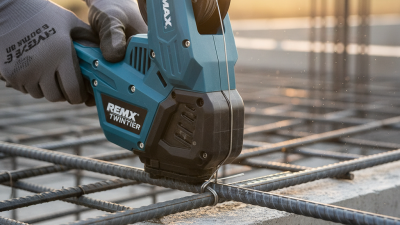
When selecting a Stand Up Rebar Tying Machine, making the right choice is crucial. Many options are available, each with unique features. Understanding what makes an effective machine can save time and improve project efficiency. An ideal tying machine should balance functionality and user comfort.
Consider the different aspects of performance, such as speed and accuracy. A machine that ties quickly can enhance productivity on busy job sites. However, it must also ensure strong and reliable ties. Many users overlook ergonomics, which can lead to fatigue during prolonged use.
Quality materials matter too. A robust Stand Up Rebar Tying Machine can endure rigorous conditions. It's essential to evaluate the manufacturer's reputation for reliability and service. While price is important, investing a bit more can lead to a significantly more durable and efficient tool. Finding the right machine will ultimately reflect your commitment to excellence in construction.
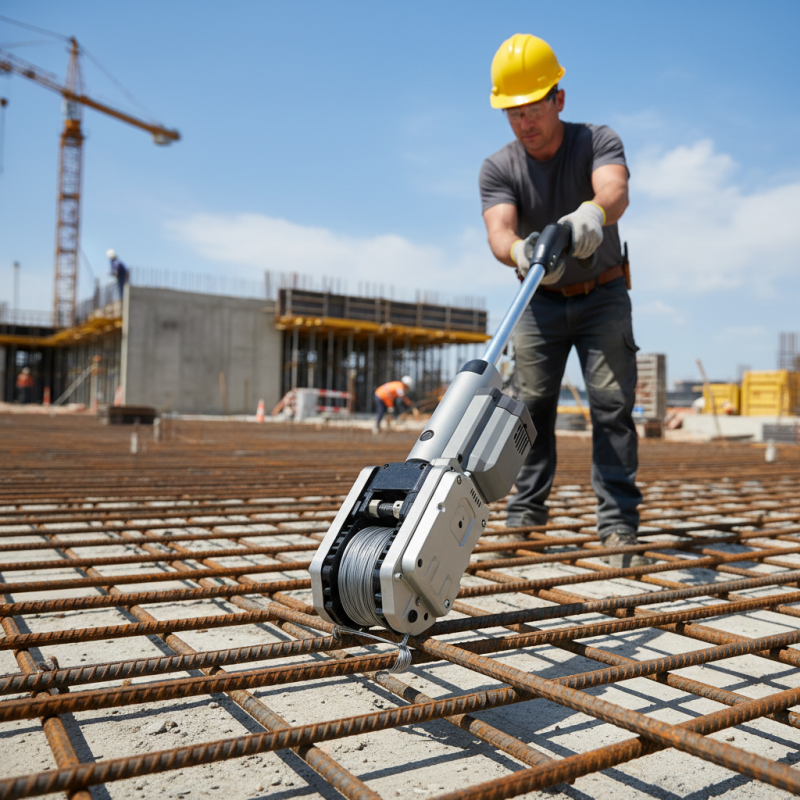
Understanding the Purpose and Benefits of Stand Up Rebar Tying Machines
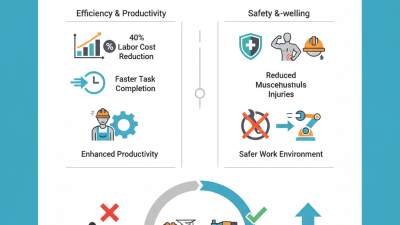
Stand up rebar tying machines serve a crucial role in construction projects. These machines enhance safety and efficiency, especially in repetitive tasks. According to industry reports, using such machines can reduce labor costs by approximately 30%. This statistic highlights their significance in boosting productivity on job sites.
One major benefit is the ergonomic design. Workers can tie rebar without bending over, reducing strain and potential injuries. Research indicates that ergonomic tools decrease the likelihood of musculoskeletal disorders by 30%. This is vital, considering that construction sites often face high injury rates.
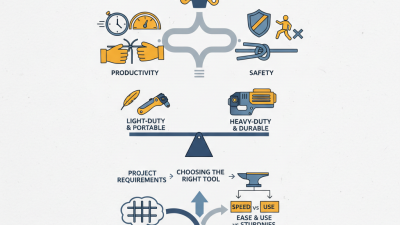
Furthermore, choosing the right tying machine involves balancing factors like weight, ease of use, and speed. A machine that is too heavy may slow efficiency, while a lightweight model could lack power. It’s essential to consider these trade-offs to improve performance. Ultimately, understanding these benefits and challenges can lead to better choices for rebar tying tasks.
Key Features to Look for When Selecting a Rebar Tying Machine
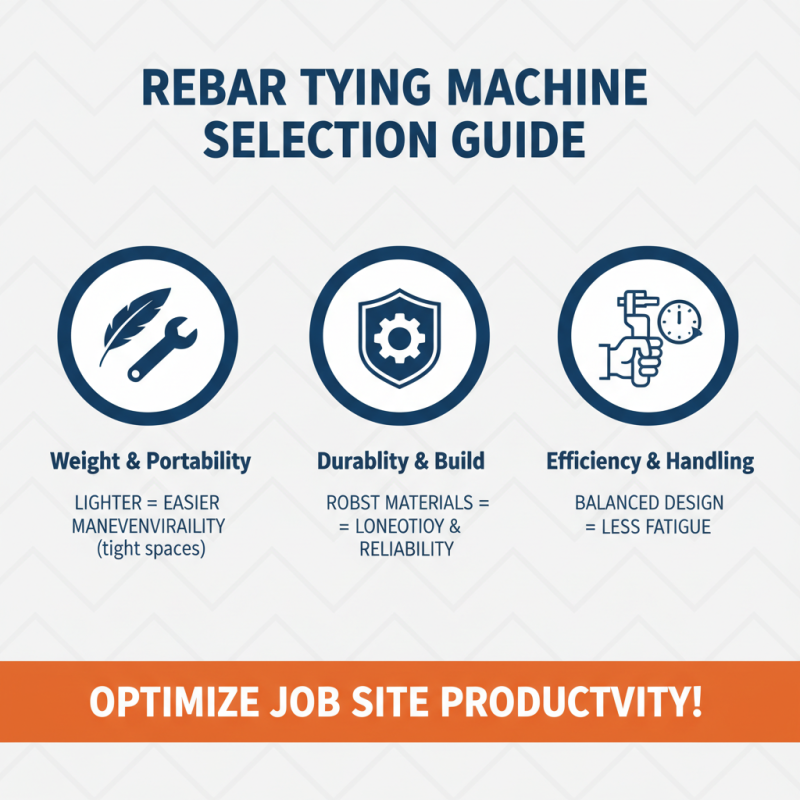
When selecting a rebar tying machine, consider its weight and portability. A lighter machine is easier to maneuver on job sites, especially in tight spaces. However, ensure it still has robust materials for durability. This balance is critical as inefficiencies can lead to frustration during use. Some machines may be too bulky, making them cumbersome for daily tasks.
The tying speed is another essential feature. A faster machine can significantly increase productivity, especially in large projects. However, be wary of machines that compromise on tying quality for speed. Checking user reviews can provide insight into reliability and performance. Look for features like adjustable tie settings, which can accommodate different rebar sizes. Often, a machine that offers versatility is worth considering, although it may require more training to master fully.
Lastly, battery life can be a deciding factor. A reliable battery ensures that the machine operates smoothly throughout the day. Machines with shorter battery life may require frequent recharges, disrupting workflow. Seek models with indicators showing battery status, helping to avoid unexpected downtime. Sometimes, these precise details make the difference between a satisfactory experience and overwhelming frustration on-site.
Comparing Different Types of Stand Up Rebar Tying Machines Available
When selecting a stand-up rebar tying machine, it's essential to understand the different types available in the market. Battery-operated models offer mobility and efficiency, making them ideal for large construction sites. However, pneumatic versions are praised for their speed but may require a constant air supply. Manual machines, while slower, are more affordable and less reliant on power sources. According to a report by the Construction Industry Research Board, the demand for electric and battery-operated machines has increased by 25% in the last five years, indicating a shift in preference toward convenience and portability.
Tip: Look for machines that provide adjustable tying tensions. This feature ensures consistent results across various rebar sizes, enhancing overall structural integrity. Consider the weight and ease of transport. A heavier machine may be more durable but harder to maneuver on site.
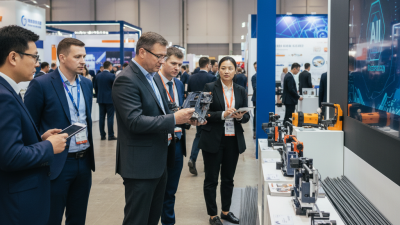
In comparing these machines, durability and maintenance are key factors. Research suggests that even among battery-powered models, variances exist in battery life and recharge times. A report by the International Journal of Construction Technology indicates that choosing the right model can lower maintenance costs by up to 15%. Ensure the machine has readily available replacement parts, as this affects long-term usability.
Tip: Test a machine on site before a purchase. Real-world conditions may expose its limitations. Each option has trade-offs that require careful evaluation to align with specific project needs.
Factors Affecting the Performance and Durability of Tying Machines
When selecting a stand-up rebar tying machine, various factors influence both performance and durability. One critical aspect is the machine's construction materials. High-quality materials can withstand heavy use, while inferior ones may lead to frequent breakdowns. Machines with robust frames often last longer, providing a reliable tool on the job site.
Operational ease also plays a role in performance. A user-friendly design allows operators to work more efficiently. Look for machines that offer ergonomic handles and straightforward controls. This ensures that even beginners can operate them without a steep learning curve. Additionally, consider the machine's weight. Lighter models can reduce fatigue during extended periods of use, enhancing overall productivity.
Tip: When assessing features, focus on versatility. Machines that can handle different rebar sizes can be a significant advantage. Durability isn't just about materials; it’s also about maintenance. Regularly inspecting and lubricating moving parts can prolong the machine's lifespan. Investing time in upkeep now saves money and hassle later.
Cost Considerations and Budgeting for Your Rebar Tying Needs
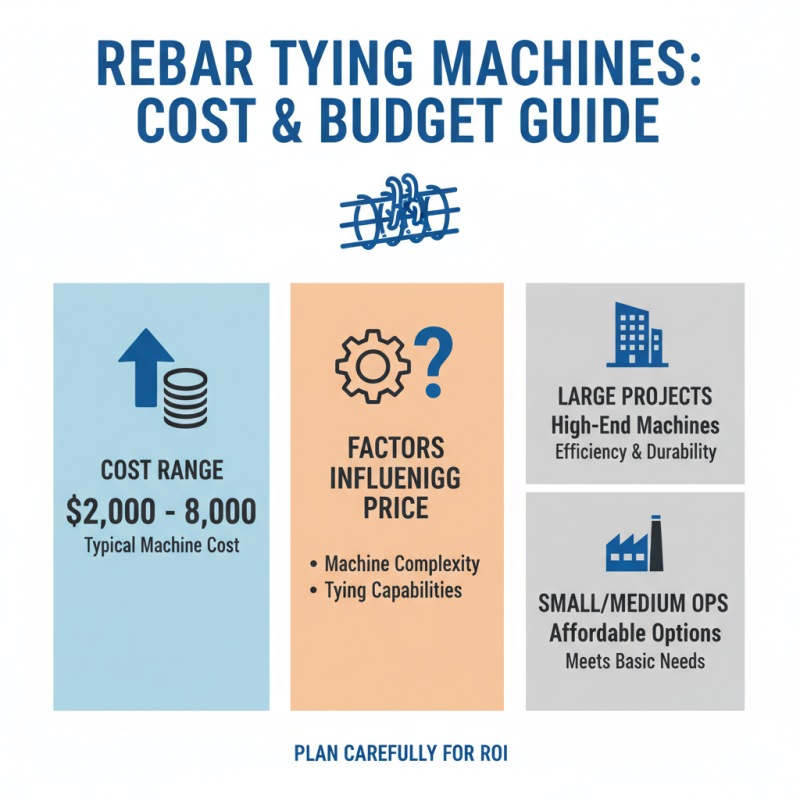
Budgeting for a rebar tying machine involves careful planning. The typical cost of these machines ranges from $2,000 to $8,000. Factors such as the complexity of the machine and its capabilities influence the price. For larger projects, investing in a higher-end machine may be worthwhile due to increased efficiency and durability. However, small to medium-sized operations might find more affordable options can still meet their needs.
It’s crucial to consider operating costs alongside initial expenses. A report by the Construction Industry Institute indicates that labor accounts for nearly 40% of total project costs. Automating rebar tying can reduce labor hours and improve safety. Additionally, downtime for repairs can lead to significant losses. Selecting a reliable machine can minimize maintenance costs and enhance productivity. Analyze not just the purchase price but also long-term performance and potential savings.
Assess your specific needs before allocating your budget. Can lower-priced models fulfill your requirements? Alternatively, does your operation require advanced features? Evaluating the balance between upfront investment and operational efficiency ensures better decision-making. Adjustments may be needed based on project scale and workforce capabilities. Reflecting on these aspects can lead to a more effective budgeting strategy.

 E-mail:
voyage@voyagehndr.com
E-mail:
voyage@voyagehndr.com