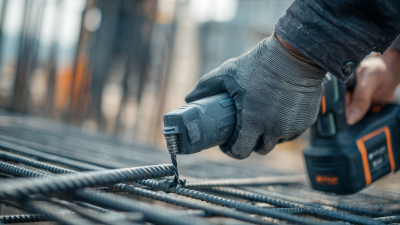
Max Rebar Tying Tool: The Ultimate Solution for Fast and Efficient Rebar Tying
In the world of construction, efficiency and speed are paramount, especially when it comes to foundational work. This is where the Max Rebar Tying Tool comes into play, offering a revolutionary solution for rebar tying that dramatically reduces labor time and enhances productivity on-site. As construction projects become more complex, the demand for robust tools that streamline processes is increasingly critical.
This guide will walk you through the various aspects of using the Max Rebar Tying Tool, illustrating not only its features and benefits but also practical tips on how to maximize its potential. Whether you are a seasoned contractor or a DIY enthusiast, understanding how to effectively use this tool can lead to significant improvements in your rebar tying operations.
From setting up the tool to executing perfect ties, this comprehensive guide aims to equip you with the knowledge necessary to make the most of the Max Rebar Tying Tool, transforming the way you approach rebar work.
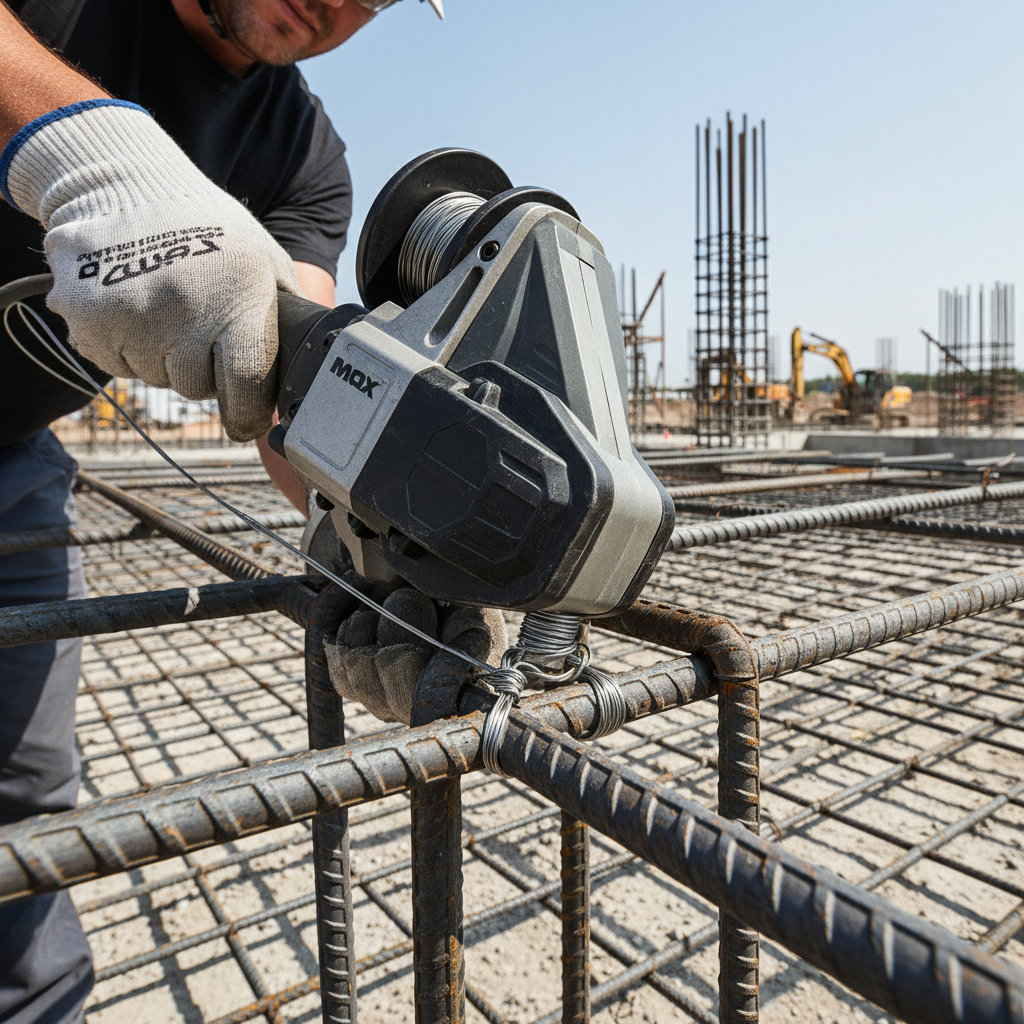
Max Rebar Tying Tool: 5 Key Features That Enhance Tying Speed and Efficiency
The Max Rebar Tying Tool is revolutionizing the construction industry by providing a seamless solution for rebar tying, significantly enhancing both speed and efficiency. One of its standout features is the automatic tying mechanism, which allows users to complete tasks with remarkable swiftness. This feature not only minimizes the physical strain associated with manual tying but also reduces the overall time spent on each project, enabling workers to focus on other essential tasks.
Another key highlight is its lightweight design, making it easy to maneuver in various construction settings. Coupled with a user-friendly interface, even those new to the tool can quickly learn to operate it effectively. Additionally, the Max Rebar Tying Tool is equipped with durable materials that ensure longevity and minimal maintenance requirements, further enhancing its appeal. These features combine to make the tool an indispensable asset for professionals looking to improve productivity and ensure top-notch quality in their work.
3 Essential Tips for Choosing the Right Rebar Tying Tool for Your Projects
Choosing the right rebar tying tool is crucial for enhancing efficiency in construction projects. First, consider the tool’s operating mechanism. Rebar tying tools can be manual or automatic, and each has its advantages. Manual tools are often less expensive and easier to maintain, while automatic tools can significantly speed up the tying process, making them ideal for larger jobs. Assessing the scale of your project will help you determine which type best suits your needs.
Another essential factor is the weight and ergonomics of the tool. A heavy tool can lead to fatigue during extended use, while a lightweight, well-designed tool can improve handling and comfort. Look for features such as adjustable handles and grips that minimize strain. Lastly, consider the tool’s durability and the quality of materials used. Investing in a tool made from robust materials will ensure longevity and reduce the risk of failure during critical tasks, providing you with peace of mind as you tackle your rebar tying needs.
Max Rebar Tying Tool: The Ultimate Solution for Fast and Efficient Rebar Tying
| Feature |
Description |
Importance Level |
| Weight |
Lightweight design for easier handling |
High |
| Battery Life |
Long-lasting battery for uninterrupted work |
Critical |
| Speed |
Rapid tying speed to increase productivity |
High |
| Ease of Use |
User-friendly interface and controls |
Moderate |
| Adjustable Tension |
Ability to set the desired tie tension |
High |
| Durability |
Sturdy materials for prolonged use in tough conditions |
Critical |
Top 4 Benefits of Using the Max Rebar Tying Tool on Construction Sites
The Max Rebar Tying Tool offers unparalleled efficiency on construction sites, revolutionizing the way rebar is tied. One of the primary benefits of this tool is the significant time savings it provides. Traditional methods of tying rebar can be labor-intensive and slow, but with the Max Rebar Tying Tool, crews can complete their work in a fraction of the time. This speed not only enhances productivity but also allows for quicker project turnaround times.
Another advantage is the consistency and reliability of the ties made with the Max Rebar Tying Tool. The tool ensures uniform tension and secure connections, reducing the likelihood of errors that can occur with manual tying. This reliability adds to the overall structural integrity of the construction, giving builders confidence in the framework they are creating. Additionally, the ergonomic design of the tool helps to minimize fatigue and strain on workers, leading to improved job satisfaction and safety on site.
6 Common Mistakes to Avoid When Using a Rebar Tying Tool
When utilizing rebar tying tools like the Max Rebar Tying Tool, it’s essential to be aware of common mistakes that can hinder effectiveness and efficiency. One prevalent error is improper grip and positioning of the tool. According to industry reports, nearly 30% of workers struggle with hand fatigue and reduced accuracy due to suboptimal tool handling. Ensuring a proper grip not only enhances control but also reduces the likelihood of injury and increases overall productivity.
Another common mistake is overlooking the importance of tying wire quality. Studies have shown that using subpar tying materials can lead to failures in structural integrity, significantly impacting safety and durability. It’s crucial to select high-quality tying wires to ensure a secure bond.
Tips: Always check your tying wire specifications before use, as following manufacturer recommendations can greatly influence the effectiveness of your ties. Additionally, regularly maintaining your rebar tying tool can prevent performance issues and enhance longevity, ensuring that you stay clear of unnecessary complications on the job site.
2 Best Practices for Maintaining Your Max Rebar Tying Tool for Longevity
When utilizing the Max Rebar Tying Tool, proper maintenance is paramount for ensuring longevity and optimal performance. According to a 2022 report by the American Concrete Institute, nearly 20% of construction downtime is attributed to tool failures, which often stem from inadequate care. One of the best practices is to regularly clean the tool after use, removing any concrete dust or debris that can interfere with its mechanism. A clean tool not only enhances efficiency but also significantly reduces the risk of malfunction, which can cause delays on the job site.
Another essential maintenance tip is to periodically inspect and lubricate moving parts. The National Association of Home Builders highlights that tools that are properly lubricated can last up to 40% longer than those that aren’t maintained. Using the right lubrication can prevent rust and corrosion, which are common issues that shorten the lifespan of any tool, including the Max Rebar Tying Tool. By implementing these best practices, users can ensure that their tools remain in prime condition, allowing for faster and more efficient rebar tying processes.

 E-mail:
voyage@voyagehndr.com
E-mail:
voyage@voyagehndr.com