10 Essential Tips for Using an Automatic Rebar Tying Tool Effectively?
In the fast-paced world of construction, efficiency is key. Experts agree that the right tools can significantly enhance productivity. John Smith, a renowned industry professional, once stated, "The Automatic Rebar Tying Tool can transform how we approach rebar installation." This tool saves time and minimizes manual labor, providing a game-changing approach.
However, using an Automatic Rebar Tying Tool effectively requires some thought and practice. Many workers overlook the importance of proper technique, leading to subpar results. A common mistake is rushing the tying process. This can cause weak connections and potential structural issues. Understanding the tool's mechanics will improve outcomes significantly.
It's essential to remember that not every situation is suited for automation. Mastering traditional methods can still be beneficial. Balancing high-tech tools with foundational skills ensures durability and reliability in construction. Hence, while the Automatic Rebar Tying Tool offers remarkable advantages, effective usage hinges on knowledge and experience.
Understanding Automatic Rebar Tying Tools: A Comprehensive Overview
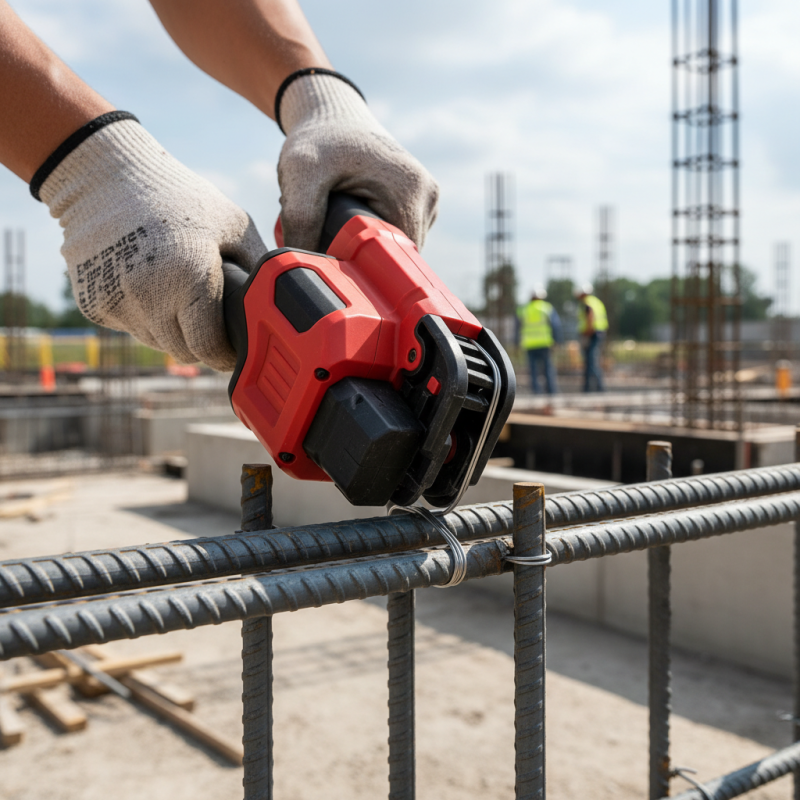
Automatic rebar tying tools have revolutionized construction work. These tools help tie rebar quickly and efficiently. Understanding their components is crucial for effective operation. Key features include the tying head, power source, and safety mechanism. Knowing how each part functions can improve your work experience.
When using an automatic rebar tying tool, proper technique matters. Hold the tool firmly. This stability helps with accuracy. Pay attention to the angle of the tool during use. A bad angle can lead to loose ties and wasted time. Practice makes perfect, so don’t rush. Experiment with different positions to find the most comfortable grip.
Maintenance is another important aspect. Regularly check the tool for wear and damage. Replace any worn-out parts promptly. A tool that isn’t maintained can lead to errors. Lastly, understand the importance of safety. Always wear protective equipment when operating the tool. Working safely ensures a smooth workflow. Reflect on your experiences and improve each time.
Key Features to Consider When Choosing a Rebar Tying Tool for Your Project
When choosing a rebar tying tool for your project, several key features stand out. Look for speed and efficiency. Some tools can tie up to 100 ties per minute. This can significantly reduce labor time on large construction sites. However, too much speed can lead to sloppy work, so find a balance.
Also, consider the battery life of cordless models. A tool that dies mid-project can frustrate crews and halt progress.
Weight is another important factor. Lightweight models are easier to handle and reduce operator fatigue. However, lighter tools may lack the strength of heavier options. Durability is critical as well. A tool that breaks during heavy-duty tasks can cause delays and increase costs.
It’s wise to think about user comfort too. Ergonomic grips can enhance control, especially during long hours.
Compatibility with different rebar sizes is crucial. Some tools only handle specific diameters, which may limit their utility. Keep in mind, though, that the best tool isn’t always the most fancy. Sometimes, a basic model can perform just as well for smaller tasks.
Consider your specific needs and project scope before diving into a purchase. Reflect on past tools and experiences—what worked, what didn’t? This self-assessment could lead to a more informed choice.
Best Practices for Operating an Automatic Rebar Tying Tool Efficiently
Using an automatic rebar tying tool can significantly enhance efficiency on construction sites. A report from the National Institute of Standards and Technology states that using such tools can reduce labor costs by up to 25%. However, operators must be trained to avoid missteps.
One critical practice is to regularly maintain the tool. Clogged mechanisms can lead to delays and increased frustration. If the tool jams frequently, check the alignment and ensure proper loading of materials. Operators must develop a routine to inspect parts before starting work.
Another vital aspect is understanding the rebar size and tying patterns. Using the wrong size can cause structural weaknesses. Effective training programs can highlight common errors. Ensuring team members can identify issues early is key to preventing rework. Often, inefficient tying methods lead to wasted resources.
The right techniques save time and improve safety. Engage with colleagues to share experiences. This approach fosters a culture of continuous learning on-site. Explore various tying strategies to discover what works best for your team. This can be a journey filled with trial and error. Learning from mistakes is part of improving your efficiency.
10 Essential Tips for Using an Automatic Rebar Tying Tool Effectively
| Tip Number |
Tip Description |
Key Benefits |
Common Mistakes |
| 1 |
Read the Manual Thoroughly |
Understanding features and settings |
Skipping manual review |
| 2 |
Practice on Scrap Material |
Gaining hands-on experience |
Starting on a critical project |
| 3 |
Adjust Tension Settings |
Optimizing tying firmness |
Using default settings |
| 4 |
Check Battery Life |
Ensuring uninterrupted work |
Not checking before use |
| 5 |
Maintain a Clean Work Area |
Reducing accidents and damage |
Cluttered workspace |
| 6 |
Use the Right Rebar Size |
Effective tying performance |
Using incompatible sizes |
| 7 |
Secure Loose Ends |
Preventing safety hazards |
Ignoring loose rebar |
| 8 |
Inspect the Tool Regularly |
Identifying wear and tear |
Neglecting maintenance |
| 9 |
Wear Protective Gear |
Ensuring personal safety |
Forgetting safety equipment |
| 10 |
Collaborate with Team |
Improving workflow efficiency |
Working in isolation |
Safety Precautions to Follow While Using Automatic Rebar Tying Tools
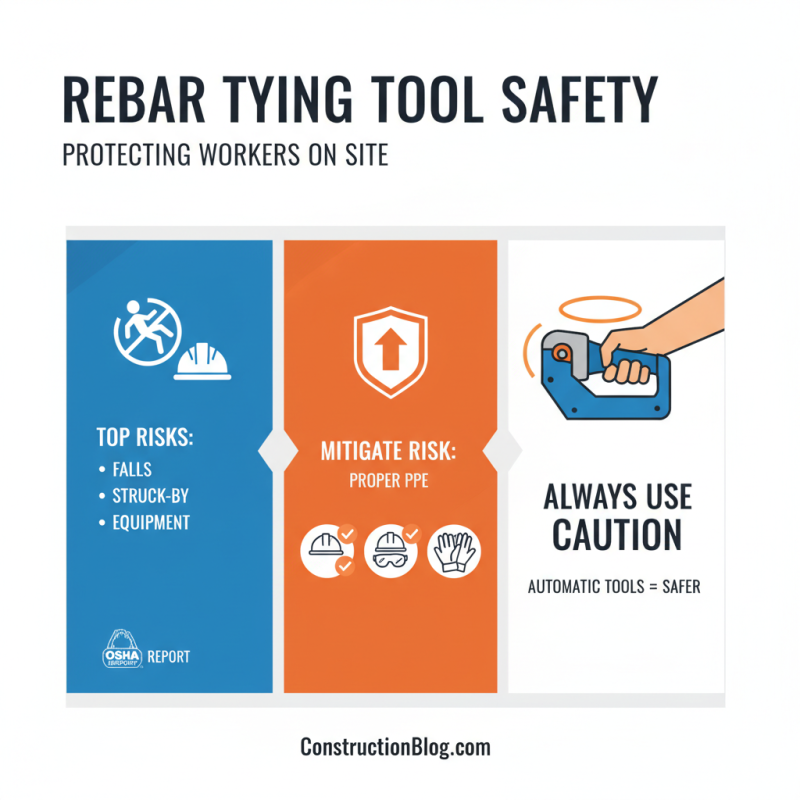
When using automatic rebar tying tools, safety is paramount. A safety report from the Occupational Safety and Health Administration (OSHA) reveals that falls, struck-by incidents, and equipment-related injuries account for a large percentage of construction site accidents. Wearing proper personal protective equipment (PPE) is essential. This includes hard hats, safety glasses, and gloves. Such precautions help mitigate risk.
Worksite organization plays a vital role. Keep the area clean and free from obstacles. Slips, trips, and falls are common hazards. Ensure that your tool is functioning correctly before starting. A malfunctioning tool can lead to injury and damage. Regular maintenance checks can prevent such issues.
Adhere to the manufacturer's guidelines for operation. Improper use can cause accidents. Familiarize yourself with the tool’s features and limitations. Practicing good ergonomics can also enhance safety. This not only protects you but extends the tool's lifespan. Use body mechanics wisely. Maintain a balanced stance while working. Remember, a cautious approach promotes efficiency.
Maintenance Tips to Extend the Lifespan of Your Rebar Tying Tool
Maintaining your automatic rebar tying tool is essential for its longevity. Clean the tool regularly to remove dust and debris. This simple act can prevent malfunctions. Dust can build up in small crevices, affecting performance. Use a soft brush to access hard-to-reach areas. Additionally, check for any wear and tear. Worn parts may compromise the tool's efficiency.
Storing your tool properly can also extend its lifespan. Keep it in a dry, cool place to avoid rust. Avoid leaving it in damp areas, as moisture can cause damage. It's also important to examine the battery regularly. A charged battery ensures optimal performance. If the tool isn’t used often, recharge it every few months. Neglecting the battery can lead to reduced life expectancy.
Finally, follow the manufacturer’s guidelines for maintenance and repairs. Sometimes, it’s easy to overlook small issues until they become major problems. Identify any unusual noises or performance issues early. Taking the time to address these can save money and time later. Reflect on your habits with your tool. Are you being diligent? The right approach now leads to enhanced reliability down the line.

 E-mail:
voyage@voyagehndr.com
E-mail:
voyage@voyagehndr.com