How to Choose the Right Rebar Tying Tool for Your Project?
Choosing the right Rebar Tying Tool is crucial for any construction project. The efficiency of your work often hinges on the tools you select. A suitable rebar tying tool ensures precision and saves time. There are many options available, and picking the best one can be overwhelming.
Consider the type of project you’re tackling. Each project has unique needs. For smaller jobs, a manual tool might suffice. For larger ones, a power tool could provide speed and consistency. The weight of the tool matters too. Heavier tools can be daunting, especially for extended use.
It’s also important to reflect on your experience level. Beginners might struggle with complex tools. Simpler designs can help build confidence. However, be wary of sacrificing quality. A poor tool choice can lead to fatigue and frustration. Finding the right balance is essential for project success. Remember, the ideal Rebar Tying Tool is not just about features; it’s about your specific requirements and comfort.
Understanding the Importance of Rebar Tying Tools in Construction Projects
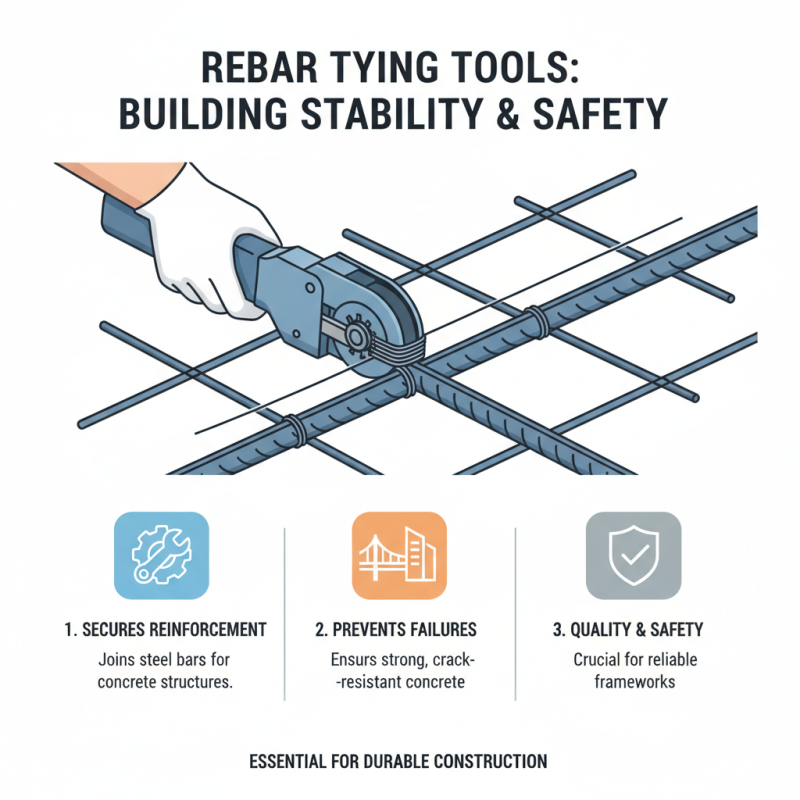
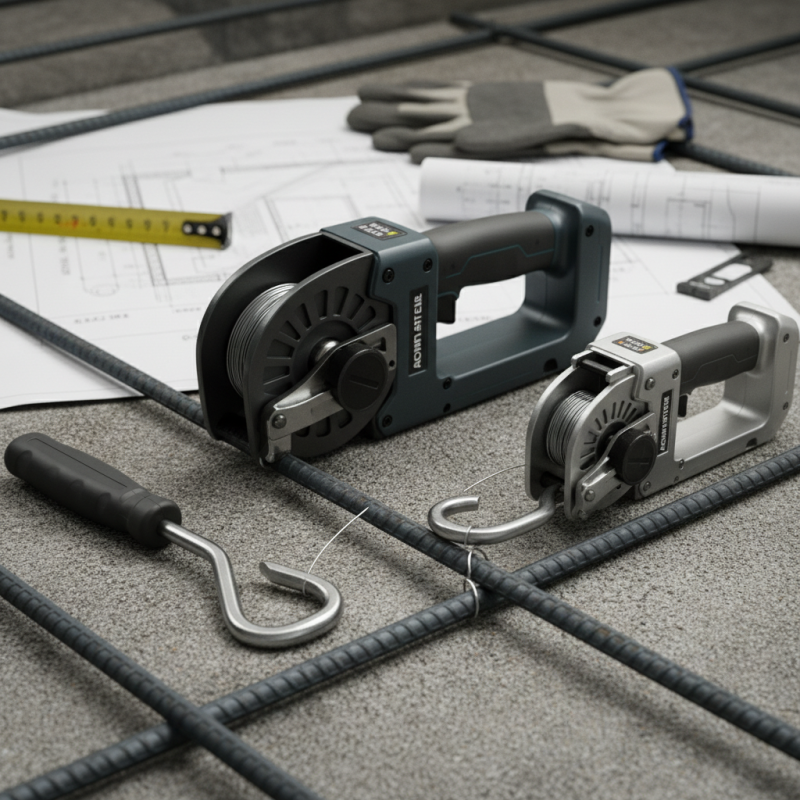
In construction, rebar tying tools play a crucial role. These tools secure steel reinforcement bars, ensuring stability in concrete structures. A sturdy connection helps prevent cracks and failures in buildings and bridges. Without reliable tying, frameworks can be misaligned. Every project depends on these tools for quality and safety.
Choosing the right rebar tying tool is not just about convenience. Think about the scale of your project. Larger jobs might require heavy-duty tools. Smaller projects may do just fine with manual options. Understand the type of rebar and its dimensions. This affects your tool selection directly.
Tips for selecting tools include examining comfort and grip. A tool can feel great but might not work well after hours of use. Test different options if possible. Additionally, consider the tying speed. If you need a quick turnaround, speed is essential. Review your project timeline carefully before deciding.
Types of Rebar Tying Tools Available in the Market
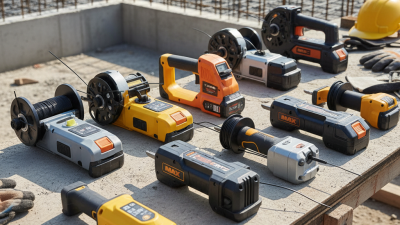
When selecting rebar tying tools, understanding the various types available is essential. The market offers several options, each designed for specific needs. Manual ties are popular for their simplicity. They typically require just hand strength and technique. According to industry reports, manual tools account for approximately 40% of rebar tying equipment used today.
Automatic rebar tying tools have surged in popularity. These tools significantly reduce labor time, with some reports indicating they can tie rebar up to five times faster than manual methods. They're ideal for large projects, where efficiency plays a critical role. However, these tools often come with higher upfront costs. Budget constraints can limit their adoption, particularly among smaller contractors.
Electric and pneumatic tools offer another option as well. They can handle a variety of ties, accommodating different rebar sizes. However, they require consistent power. If power sources are unreliable, their effectiveness diminishes. This can create frustration for workers on site. Choosing the right tool involves weighing the advantages of speed and automation against the potential drawbacks. It’s important to consider project specifications and team skills, as the wrong choice can lead to delays and increased costs.
How to Choose the Right Rebar Tying Tool for Your Project?
| Tool Type |
Description |
Advantages |
Best For |
| Manual Tying Tool |
A handheld tool used for twisting tie wire around rebar. |
Affordable, portable, and easy to use. |
Small projects or DIY applications. |
| Automatic Tying Tool |
Powered device that automatically ties rebar with minimal effort. |
Increases efficiency and reduces physical strain. |
Large construction projects. |
| Electric Tying Tool |
Uses battery power to tie rebar quickly and efficiently. |
Lightweight and portable, ideal for various tasks. |
Construction sites with limited access to power. |
| Tying Wire |
Specialized wire used for tying rebar. |
Strong and durable, available in various thicknesses. |
Used with both manual and automatic tools. |
Factors to Consider When Choosing a Rebar Tying Tool
When selecting a rebar tying tool, multiple factors come into play. Weight and ergonomics are crucial. A lightweight tool reduces fatigue. Consider that workers often tie over 500 ties a day. Heavy tools can slow progress. Ergonomic designs can prevent injuries and promote efficiency. A report by the National Institute for Occupational Safety and Health (NIOSH) suggests that poor tool design contributes to 40% of workplace injuries.
Additionally, the type of project matters. For smaller jobs, manual tools may be adequate. However, large-scale projects demand automatic or powered options. According to industry data, powered tools can increase tying speed by up to 30%. This efficiency can save time and labor costs. Yet, some workers might struggle to transition to new tools. Training and practice are essential. Quality should not be overlooked either. Cheap tools can break easily, leading to delays.
Lastly, consider your budget. Higher-priced tools often offer better durability and features. Investing in quality can prevent future costs related to repairs or replacements. It’s important to evaluate the long-term value over initial expenditure. While it may be tempting to choose the cheapest option, this could backfire in a demanding work environment. Finding the right balance between cost, efficiency, and quality can be challenging but crucial for project success.
Factors to Consider When Choosing a Rebar Tying Tool
Comparing Manual vs. Electric Rebar Tying Tools
When choosing between manual and electric rebar tying tools, both options have their pros and cons. Manual tools are typically lightweight and easy to carry. They require no power source and are quieter during operation. However, they demand more physical effort. Tying rebar manually can be time-consuming, especially on large projects. It may also lead to inconsistent tie quality if the worker is fatigued.
On the other hand, electric rebar tying tools can significantly speed up the process. They automate the tying process, allowing for uniform ties with less effort. A worker can complete a task that takes hours with manual tools in just minutes. However, electric tools can be heavier and may require battery charging. If you’re in a remote area without power availability, this can pose a problem.
Consider your project’s requirements carefully. Think about the scale and environment. Weigh the balance between speed and physical strain. It’s essential to evaluate your team’s skill level as well. Sometimes, a manual tool might be better for less experienced workers, as it offers more control. A carefully considered choice can make a significant difference in efficiency and outcomes.
Tips for Maintaining and Caring for Your Rebar Tying Tool
Maintaining your rebar tying tool is crucial for its longevity and efficiency. Regular cleaning is essential after each use. Dust and debris can cause it to malfunction. Use a soft cloth to wipe the tool down. Avoid using corrosive cleaners that can damage the material. Ensure all parts are free of rust. This simple step extends the tool's lifespan and keeps it reliable.
Check the tension settings frequently. Over time, they may drift, affecting performance. A loose setting can lead to poor tying. Adjusting the tension can help achieve consistent results. Inspect the mechanisms for wear. If something feels off, it probably is. Don't ignore these signs. Early detection can prevent bigger problems later.
Proper storage also plays a significant role. Store your tool in a dry place, away from moisture. This helps prevent rust and keeps everything in good working order. Using a protective case is a good practice. It shields the tool from physical damage. However, not everyone does this. Reflecting on your storage habits can lead to better maintenance practices. Small efforts can make a big difference.

 E-mail:
voyage@voyagehndr.com
E-mail:
voyage@voyagehndr.com