How to Choose the Best Rebar Tying Gun for Your Projects?
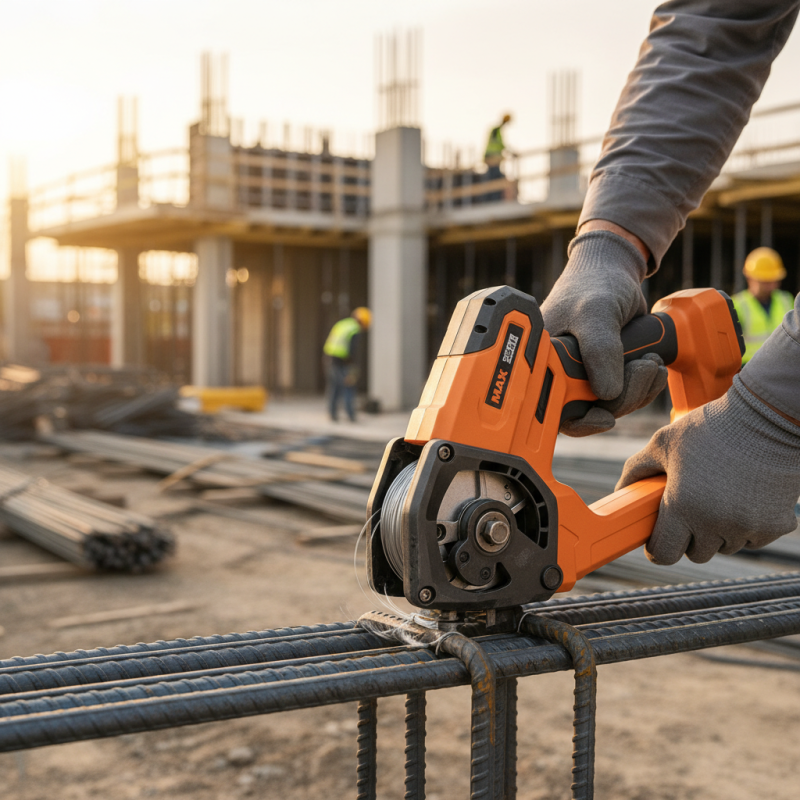
Choosing the right Rebar Tying Gun can dramatically impact your construction projects. With the global construction market projected to reach $10 trillion by 2023, efficiency in tools is crucial. According to a report from the American Concrete Institute, proper equipment is essential to reducing project timelines and enhancing safety.
Expert John Thompson states, “The right Rebar Tying Gun improves productivity and reduces fatigue.” He emphasizes the importance of selecting a model that fits your specific needs. Factors such as tension control, battery life, and ease of use are key considerations.
However, not all products meet the high standards expected in an evolving industry. Some options may fall short in durability and performance. Therefore, it's vital to evaluate user reviews and testimonials. Make informed decisions to ensure your Rebar Tying Gun can keep pace with project demands.
Factors to Consider When Choosing a Rebar Tying Gun
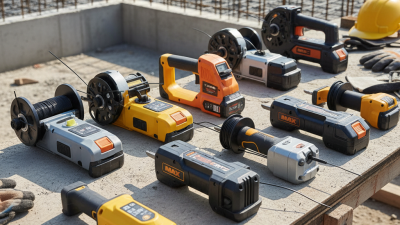
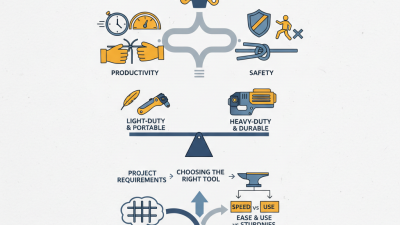
When choosing a rebar tying gun, several factors come into play. The main consideration is the type of projects you'll tackle. Different tools suit different tasks. Determine if you need a lightweight gun for small scale work or a more robust option for larger projects. Portability can be a critical factor in your choice, especially on job sites with limited space.
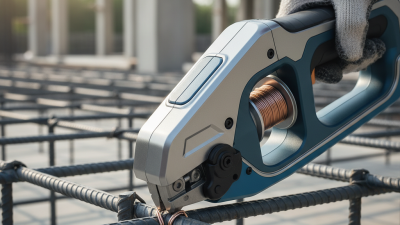
Power source is equally important. Some guns operate on batteries, while others may require an air compressor. Battery-operated guns offer convenience but may have limited runtime. Pay attention to the gauge of the wire used as well. You want a gun that uses wire compatible with the rebar sizes you typically work with.
Tips: Always evaluate the comfort level of the grip. Repetitive use can lead to fatigue, so an ergonomic design is beneficial. Think about maintenance as well. Some models require more upkeep than others. A more complex tool can be harder to fix when things go wrong. Consider opting for a simpler design if you’re unsure about long-term maintenance.
Comparison of Manual vs. Automatic Rebar Tying Guns
When it comes to rebar tying tools, the choice between manual and automatic versions is crucial. Manual rebar tying guns require a bit more effort. They are typically lighter and less expensive. However, they also take more time to complete tasks. Using a manual tool may lead to fatigue over prolonged use. If you're working on small-scale projects, a manual tool might suffice. Yet, high-volume jobs can be taxing.
On the other hand, automatic rebar tying guns offer speed and efficiency. They can tie multiple rebars in seconds, making them ideal for larger projects. The initial investment is higher, but the time saved can justify the cost. Automatic tools reduce strain on the user, which is a significant factor during long workdays. These tools often come with adjustable settings, allowing for customization based on project needs.
Tips for choosing between the two include evaluating the scale of your project. If you're handling extensive groundwork, consider an automatic option. Pay attention to the weight of the tool. Heavier tools may handle tougher jobs but can lead to discomfort over time. Always read user reviews to understand the real-world performance of a tool, as specifications can sometimes be misleading. A tool should not only perform well but also align with your working environment and needs.
Comparison of Manual vs. Automatic Rebar Tying Guns
Key Features of High-Quality Rebar Tying Guns
When selecting a rebar tying gun, it's crucial to focus on several key features that guarantee efficiency and quality. A high-performance gun should be lightweight yet durable. Operators often experience fatigue with heavier tools. An ergonomic design reduces strain during extended use. Reports show that inadequate design can lead to decreased productivity by up to 25%.
Speed is another essential factor. A quality rebar tying gun can perform up to 50 ties per minute. This dramatically cuts down project timelines. Additionally, the ease of use should not be overlooked. Tools that offer adjustable tension settings can accommodate various rebar sizes. This adaptability is vital for diverse construction tasks. However, it's worth noting that some users may struggle with complex mechanisms. Simplicity in operation often trumps advanced features in user satisfaction.
Battery life is foundational for cordless models. High-quality guns typically feature batteries that last around 2,000 ties on a single charge. However, maintaining optimal performance requires routine maintenance. Many users forget this aspect. Regular checks can prevent issues that may cause delays. Ignoring maintenance can lead to potential project setbacks and frustration.
How to Choose the Best Rebar Tying Gun for Your Projects? - Key Features of High-Quality Rebar Tying Guns
| Feature |
Description |
Importance |
| Weight |
The weight of the gun impacts its portability and ease of use. |
High |
| Battery Life |
Long battery life ensures uninterrupted work on large projects. |
High |
| Speed |
Allows for quick tying of rebar, improving overall project efficiency. |
Medium |
| Ease of Use |
User-friendly design helps reduce strain and increases productivity. |
High |
| Durability |
Constructed from high-quality materials for longevity even in tough environments. |
High |
| Tying Capacity |
Ability to tie various sizes of rebar, offering versatility for different projects. |
Medium |
| Price |
Cost of the gun relative to features offered should be considered for budget-conscious choices. |
Medium |
Understanding Rebar Sizes and Their Impact on Tying Gun Selection
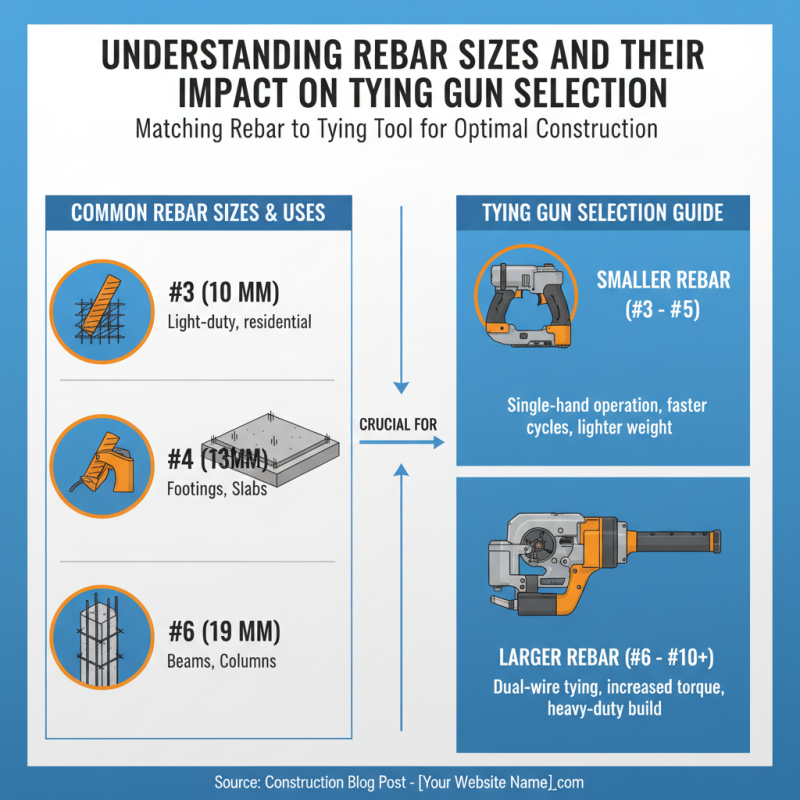
When selecting a rebar tying gun, understanding rebar sizes is crucial. Rebar comes in various diameters, commonly ranging from #3 (10 mm) to #18 (57 mm). Each size has different structural applications in construction. For example, #4 rebar is often used for footings and slabs, while #6 may be common in beams and columns.
The tying gun must accommodate the specific rebar size you are using. If you choose a tool that is not compatible, it can lead to underperformance. A report by the Concrete Reinforcing Steel Institute suggests that inefficient tying can increase project time by 20%. When tying thicker rebar, like #10 or #12, professionals often report that standard tying tools struggle, resulting in uneven knots.
Consider weight and ease of use, too. Larger rebar can require more strength for effective tying. Tools may become cumbersome, especially on large-scale projects. A study showed nearly 40% of contractors expressed fatigue when using inadequate equipment. Proper tool selection ensures both speed and efficiency while minimizing physical strain on workers.
Review of Leading Rebar Tying Gun Brands and Models
When selecting a rebar tying gun, it's crucial to understand the leading brands. The market offers various models designed for efficiency and durability. Recent reports indicate that nearly 78% of construction professionals prefer automated tying tools due to their speed and precision. They save time—a key factor on large job sites.
Many models feature automatic tension adjustment, ensuring consistent ties. This function minimizes waste and the potential for structural weaknesses caused by improper ties. However, some users note that frequent maintenance is needed, which can be a drawback in demanding environments. User reviews often highlight the balance between convenience and reliability.
Portability is another significant factor. Compact models are easier to transport between sites. However, they sometimes compromise power, which can hinder performance on heavy-duty jobs. The best choices also consider battery life, with reports showing that devices with longer battery lives lead to increased productivity. As the industry evolves, evaluating these factors becomes essential for effective rebar tying.

 E-mail:
voyage@voyagehndr.com
E-mail:
voyage@voyagehndr.com